
Delicious Cream Cheese Pound Cake Recipe
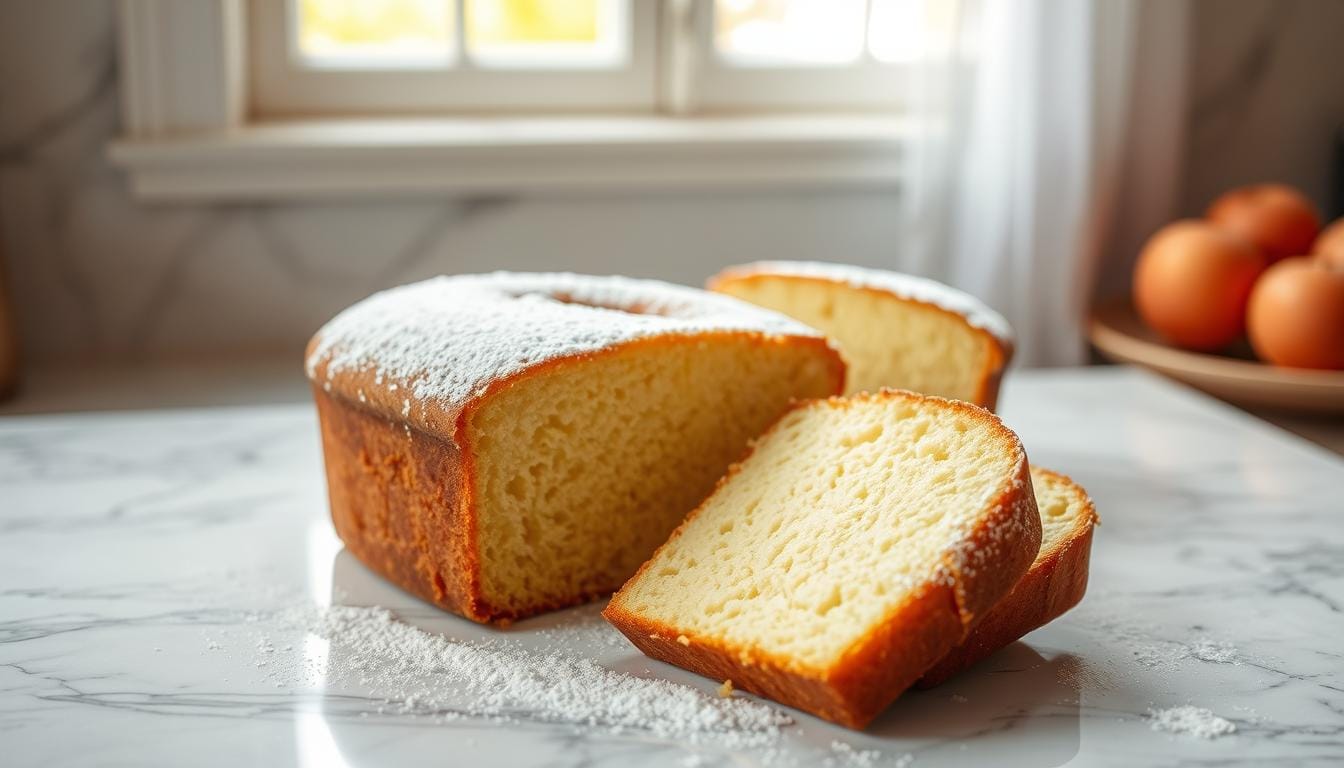
With just a few basic ingredients, you can whip up a delicious cream cheese pound cake. It’s the perfect centerpiece for any event. And the best part? It’s incredibly easy to make, requiring minimal effort for maximum impact.
Whether you’re a seasoned baker or just starting out, this homemade cream cheese pound cake will be a hit. Its moist and tender crumb, combined with a sweet, buttery flavor, makes it the perfect dessert to please a crowd.
Table of Contents
The History and Appeal of Cream Cheese Pound Cake
Many people love cream cheese pound cake for its perfect mix of flavors and textures. It has a long history, starting from traditional pound cake.
Origins of Traditional Pound Cake
Traditional pound cake comes from Europe. It was made with a pound each of flour, butter, sugar, and eggs. This simple yet rich dessert was a favorite in many homes.
The dense texture and easy recipe made it a hit with bakers.
How Cream Cheese Transformed the Classic Recipe
Adding cream cheese to pound cake was a big change. Cream cheese brings moisture and a tangy taste. This makes the cake taste better and feel softer.
This change is especially loved because it fixes the dryness problem of traditional pound cakes.
Why Bakers Love This Variation
Bakers love cream cheese pound cake for its moistness and complex taste. The cream cheese lets bakers try different flavors and add-ins. This makes it a favorite for both new and seasoned bakers.
- Enhanced moisture content
- Rich, tangy flavor
- Versatility in flavorings and add-ins
This dessert combines the best of traditional pound cake with cream cheese’s benefits. It’s now a modern classic in bakeries and homes.
Essential Ingredients for the Perfect Cream Cheese Pound Cake
## Essential Ingredients for the Perfect Cream Cheese Pound Cake
To make a delicious cream cheese pound cake, knowing each ingredient’s role is key. They all work together to make the cake great.
### Quality Cream Cheese: The Star Ingredient
The cream cheese you choose is very important. Use softened full-fat brick-style cream cheese for the best taste. Make sure all ingredients are at room temperature for the best mix.
#### Selecting the Right Brand and Type
When picking cream cheese, look for full-fat brick-style. It has a richer flavor and better texture. Avoid low-fat or non-fat types as they can make the cake dry.
#### Temperature Considerations
Make sure your cream cheese is room temperature. This ensures a smooth batter and a tender crumb.
### Butter, Sugar, and Eggs: The Foundation
The mix of butter, sugar, and eggs is the cake’s base. The quality and mix of these ingredients greatly affect the cake’s texture and taste.
### Flour and Leavening Agents
Flour and leavening agents, like baking powder, are crucial for the cake’s structure and rise. The type and amount of flour change the texture. Leavening agents help the cake rise.
### Flavorings and Add-ins
Optional add-ins like vanilla or nuts can make the cake even better. Try different combinations to find your favorite flavor.
By understanding each ingredient’s role and making smart choices, you can make a perfect cream cheese pound cake. It will surely impress everyone.
Kitchen Equipment You’ll Need
Having the right kitchen tools is key for an easy cream cheese pound cake. The right equipment makes baking simpler and ensures a perfect cake.
Choosing the Right Bundt Pan
A Bundt pan is essential for baking a cream cheese pound cake. Choose a pan that’s in good shape and has a non-stick coating. This helps your cake come out easily. We’ve found that newer pans work best for this.
Mixing Equipment Essentials
You’ll need a stand mixer or a hand mixer for mixing the batter. A stand mixer is great for thick batters like this cake. You’ll also need a big mixing bowl for all your ingredients.
Additional Helpful Tools
Other tools you might find useful include a rubber spatula, a measuring cup, and a digital scale. These help with measuring and mixing. Don’t forget a cooling rack for cooling your cake after baking.
| Equipment | Purpose |
|---|---|
| Bundt Pan | Baking the cake |
| Stand Mixer or Hand Mixer | Mixing the batter |
| Rubber Spatula | Scraping the sides of the bowl |
| Digital Scale | Measuring ingredients accurately |
| Cooling Rack | Cooling the cake |
Preparation Steps Before Baking
## Preparation Steps Before Baking
To ensure a successful bake, it’s crucial to take a few preparation steps before putting your cream cheese pound cake in the oven.
### Bringing Ingredients to Room Temperature
Before you start mixing, make sure your ingredients, especially the cream cheese, butter, and eggs, are at room temperature. This simple step can significantly impact the final texture and consistency of your cake. Cold ingredients can lead to a dense or unevenly baked cake. Allowing your ingredients to reach room temperature will help to create a tender crumb and a moist texture.
### Proper Measuring Techniques
Using a kitchen scale to weigh your ingredients, particularly the flour, is highly recommended for the most accurate measurement. Measuring your ingredients by weight rather than volume can help reduce errors and ensure that your cake turns out as expected. Accurate measurements are crucial in baking, as the ratio of ingredients can significantly affect the final product.
### Preparing Your Bundt Pan
#### Greasing Methods
To prevent your cake from sticking to the Bundt pan, you can use either butter or cooking spray to grease it. Apply a thin, even layer to the pan, making sure to cover all surfaces that will come into contact with the batter. For more thorough greasing, you can also flour the pan lightly after greasing. This step is essential for ensuring that your cake releases easily from the pan after baking.
#### Flouring Techniques
After greasing, lightly flour the Bundt pan to prevent the cake from sticking. A light dusting of flour will help create a non-stick surface, making it easier to remove the cake once it’s baked. Be cautious not to over-flour, as this can affect the texture of the crust.
By following these preparation steps, you’ll be well on your way to baking a delicious cream cheese pound cake.
Step-by-Step Cream Cheese Pound Cake Recipe
To make a delicious cream cheese pound cake, follow these steps. This recipe mixes cream cheese with classic pound cake. It results in a tender and flavorful dessert.
Creaming the Butter and Cream Cheese
First, preheat your mixing equipment to medium speed. Beat the softened butter until it’s fluffy. This step is crucial for the cake’s texture. Scrape down the sides and bottom of the bowl to ensure everything is well incorporated.
Next, add the softened cream cheese to the butter. Beat until well combined, making sure to mix thoroughly. The cream cheese should be at room temperature to ensure it blends smoothly with the butter.
Adding Sugar and Eggs
Now, add the granulated sugar to the butter and cream cheese mixture. Beat the mixture until the sugar is fully incorporated. Then, add the eggs one at a time, beating well after each addition. This step is essential for the structure and moisture of the cake.
Incorporating Dry Ingredients
In a separate bowl, whisk together the flour, baking powder, and salt. The dry ingredients should be sifted or whisked together to ensure they are evenly distributed. Gently fold these dry ingredients into the butter and cream cheese mixture until just combined.
Final Mixing and Pan Transfer
To complete the batter, mix everything together until the ingredients are evenly distributed. Be careful not to overmix. Once the batter is ready, transfer it to the prepared Bundt pan, smoothing the top. Ensure the pan is greased and floured as per the recipe’s requirements.
Baking Your Pound Cake to Perfection
Baking a cream cheese pound cake to perfection needs careful attention. This includes oven temperature and timing. The baking process is key to the cake’s texture and flavor.
Oven Temperature and Positioning
Preheat your oven to 325°F. Place your cake in the oven’s center for even baking. Don’t overcrowd the oven to keep air flowing well.
Determining When Your Cake Is Done
To see if your cake is done, use the toothpick test or look for visual signs.
Using the Toothpick Test
Stick a toothpick into the cake’s center. If it’s clean or has a few moist crumbs, it’s ready. If not, bake a bit longer and check again.
Visual Cues
Your cake is done when it’s golden brown and bounces back. The edges should also be slightly away from the pan.
| Baking Indicator | Description |
|---|---|
| Toothpick Test | Toothpick comes out clean or with a few moist crumbs |
| Visual Cues | Cake is golden brown and springs back when touched |
Cooling and Removing from the Pan
After baking, let the cake cool in the pan for 10 minutes. Then, move it to a wire rack to cool fully. This helps prevent the cake from breaking and keeps it moist.
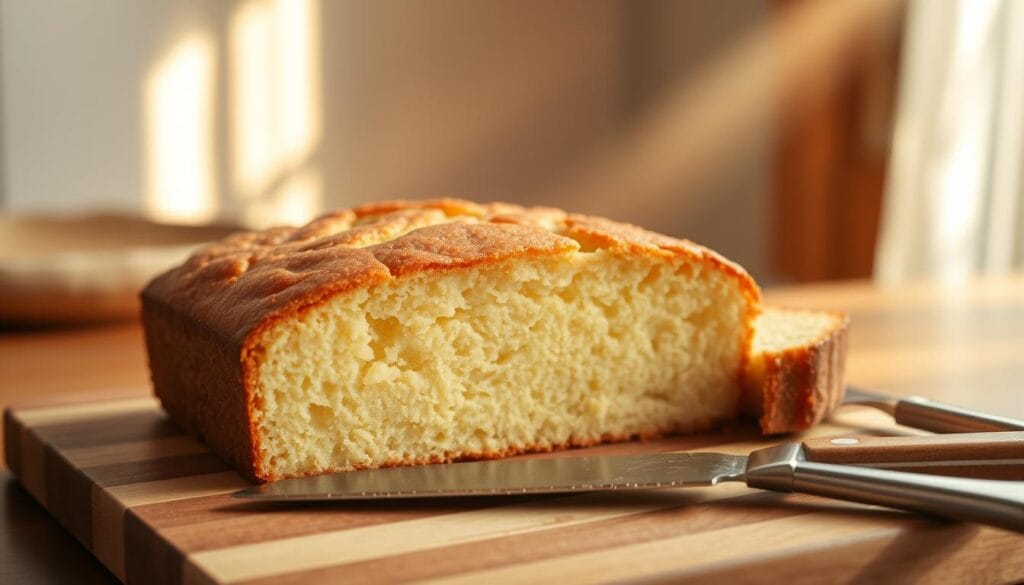
By following these steps, you’ll get a perfectly baked cream cheese pound cake. It’s sure to impress everyone.
Troubleshooting Common Pound Cake Problems
Troubleshooting is key for bakers, especially with cream cheese pound cake. Issues can pop up, affecting the cake’s quality. Knowing how to spot and fix these problems is vital for a tasty and pretty cake.
Preventing a Dry Cake
A dry cake usually comes from overmixing or too much flour. To avoid this, measure ingredients carefully and mix just until combined. Using cake flour helps keep the cake moist.
Fixing Sinking or Cracking Issues
Sinking or cracking can happen from overmixing or wrong oven temperature. Mix gently and check your oven with a thermometer. Also, don’t open the oven door too often to prevent temperature changes.
Addressing Sticking Problems
Sticking is a common problem but easy to fix. Grease your Bundt pan well with butter or spray, then dust with flour. This makes the cake come out smoothly after baking and cooling.
Salvaging Less-Than-Perfect Results
If your cake doesn’t look right, don’t worry. Dry cakes can be fixed by serving them differently. Try slicing and topping with a moist sauce. For small cosmetic flaws, a sprinkle of powdered sugar can cover them up.
| Common Issue | Cause | Solution |
|---|---|---|
| Dry Cake | Overmixing, too much flour | Measure ingredients accurately, mix batter gently |
| Sinking or Cracking | Overmixing, incorrect oven temperature | Mix batter gently, check oven temperature |
| Sticking to the Pan | Insufficient greasing or flouring | Grease and flour the pan thoroughly |
Serving and Storing Your Cream Cheese Pound Cake
After baking a delicious cream cheese pound cake, it’s key to know how to serve and store it. This keeps it fresh and flavorful.
Perfect Pairings and Serving Suggestions
Pair your cream cheese pound cake with drinks or toppings that match its rich taste. A warm coffee or tea is a great choice. For a special treat, try it with whipped cream or vanilla ice cream. The cream cheese’s tang and the cake’s sweetness are perfectly balanced.
Proper Storage Methods
To keep your cake fresh, store it in an airtight container at room temperature. This prevents drying out or contamination. For longer storage, wrap it tightly in plastic or foil and refrigerate. Stored right, it stays fresh for up to 4 days.
Freezing and Thawing Tips
To freeze your cake, wrap it tightly in plastic or foil and put it in a freezer-safe container. When you’re ready, thaw it at room temperature or in the fridge. Frozen cake can last up to 3 months.
By following these tips, you can enjoy your cream cheese pound cake at its best.
Conclusion
A well-made cream cheese pound cake is a treat on its own or with your favorite sides. By following the steps in this article, you’re ready to bake a best cream cheese pound cake. It will wow your family and friends.
The cream cheese pound cake recipe here mixes cream cheese with classic pound cake. It makes a moist and tasty dessert. Whether you’re an experienced baker or new to this homemade cream cheese pound cake, it’s sure to be a success.
Success comes from using quality ingredients, proper prep, and careful baking. Don’t be afraid to try new flavors and add-ins. With time, you’ll master the cream cheese pound cake recipe. It will become a favorite in your baking collection.
FAQ
What makes a cream cheese pound cake moist?
Cream cheese makes the pound cake moist. It adds richness and tenderness. This is hard to get with just butter and sugar.
Can I use low-fat cream cheese in a cream cheese pound cake recipe?
Low-fat cream cheese can be used, but it’s not the best choice. Full-fat cream cheese gives the best results.
How do I prevent my pound cake from sticking to the Bundt pan?
To avoid sticking, grease the Bundt pan with butter and dust it with flour. You can also use non-stick cooking spray.
Why did my pound cake sink in the middle?
Several things can cause a sinking cake. These include underbaking, overmixing, or sudden oven temperature changes. Check your oven and mix the batter right.
Can I freeze a cream cheese pound cake?
Yes, you can freeze it. Wrap it tightly in plastic wrap or foil. Store it in an airtight container. Thaw at room temperature or in the fridge when you’re ready.
How long does a cream cheese pound cake stay fresh?
It stays fresh for 3 to 5 days at room temperature. Wrap it tightly. It lasts longer in the fridge or freezer.
Can I make a cream cheese pound cake in a different pan?
You can use other pans like a loaf or round cake pans. Just adjust the baking time.
How do I know when my cream cheese pound cake is done?
Check with a toothpick. If it’s clean or has a few moist crumbs, it’s done. You can also press the top; if it springs back, it’s ready.
How did you like the recipe?
There are no reviews yet. Be the first one to write one.